

Driving Innovation in Manufacturing

Encapsulates our unwavering commitment to pushing the boundaries of what’s possible in the manufacturing industry.

Smoke Control & Ventilation Analysis

Engineered analysis of smoke-control and life-safety ventilation systems — atrium exhaust, stair pressurization, garage ventilation, and tenability studies — supporting design engineers and AHJ approval where prescriptive code paths do not fit the project.

NFPA 92

NFPA 101

IBC

ASHRAE Handbook — Smoke Management

IMC (garage ventilation)
Positioning

Smoke and life-safety analysis is delivered as an engineering study, not a modeling exercise. Assumptions, boundary conditions, and tenability criteria are established up front with the design engineer of record and the AHJ so the report supports the approval path.

Capabilities

  • Atrium and large-volume smoke exhaust analysis (NFPA 92)

  • Stair and vestibule pressurization studies

  • Enclosed and underground garage ventilation (IMC / ASHRAE)

  • Tenability studies and egress-time analysis

  • Performance-based smoke-control review

  • AHJ-facing basis-of-design and defense documentation

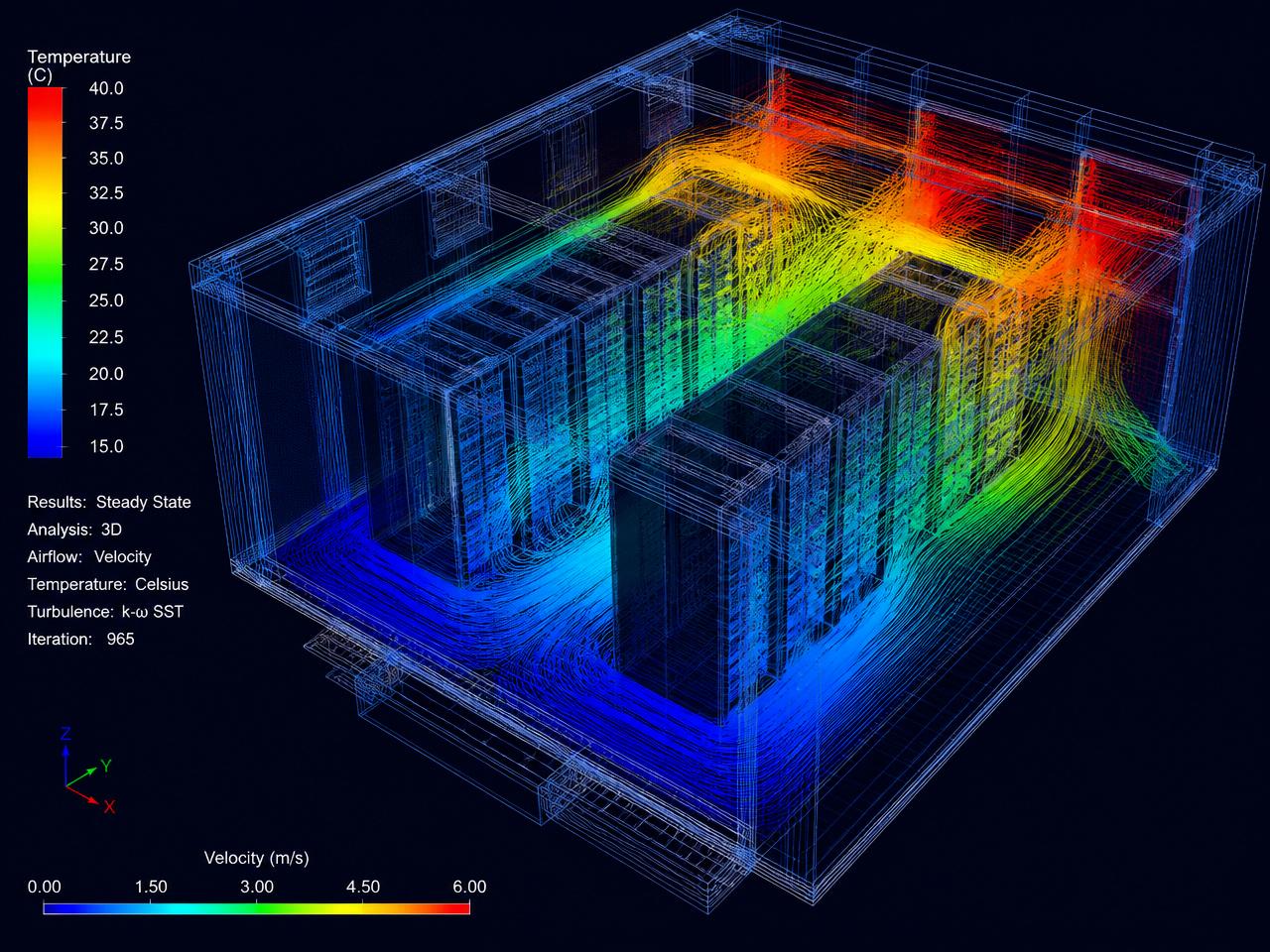
cfd-thermal-BStpfngL

Applicable standards

NFPA 92

NFPA 101

IBC

ASHRAE Handbook — Smoke Management

IMC (garage ventilation)

Specific certifications, personnel qualifications, and delivered outcomes for a given project are confirmed on scope of work.
Applications

Industries served

High-Rise & Mixed-Use

Commercial (Class A)

Institutional & Education

Government & Public Sector

Airport & Transit

Methodology

How we deliver Smoke Control & Ventilation Analysis.

Basis of analysis

Design fire, tenability criteria, and boundary conditions agreed with the design team and AHJ.

01

Model build

3D model of the affected volume built from architectural and mechanical
drawings.

02

Simulation

Smoke transport and pressurization simulated; sensitivity runs against
critical variables.

03

Tenability review

Results compared against agreed tenability criteria and egress-time targets.

04

AHJ-facing report

Analysis report packaged for submission to the design engineer of record and the AHJ.

05
Deliverables

What you receive.

Deliverables are packaged in a format acceptable to the design engineer of record, the commissioning authority, and (where applicable) the AHJ.
  • Basis-of-analysis document

  • Smoke and pressurization simulation report

  • Tenability and egress-time findings

  • Sensitivity results against critical variables

  • AHJ-facing summary and defense documentation

Information we need to scope this service

The information below helps define the analysis scope, code path, assumptions, modeling requirements and submission responsibilities.

Architectural and mechanical drawings (PDF or CAD)

Life-safety narrative and code path (prescriptive vs. performance-based)

AHJ contact and any pre-application feedback

Design fire assumptions (if pre-established)

Occupancy and egress design data

Frequently asked

Where the AHJ accepts a performance-based approach, yes. Applicable path is confirmed with the AHJ before the study is scoped.

Related equipment families

Custom Air Handling Units

Project-specific AHUs configured to submittal.

Commercial & Industrial Fans

Centrifugal, axial, and heavy-duty industrial fans.

Discuss your project
Bring us a scope. We’ll bring engineers who’ve worked in this discipline.

Share architectural and mechanical drawings, the life-safety narrative, occupancy and egress information, proposed smoke-control sequences and any authority feedback. Identify the design question and the criteria already established by the project team.

Email your project brief or upload technical documents. The analysis scope, assumptions, required professional roles and submission responsibilities are agreed for the project.

Related services